
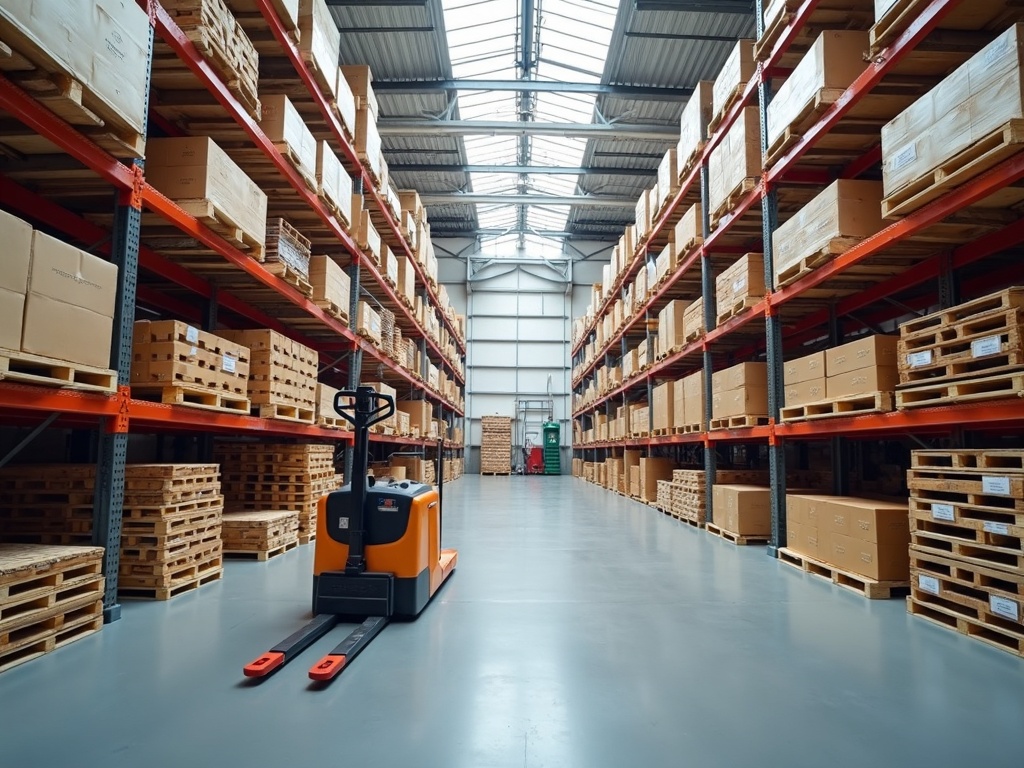
Building a Cost-Effective Logistics System From the Ground Up
Creating a logistics system out of the gate doesn’t have to bankrupt your business account. Whether creating a new warehouse or restructuring an existing one, there are several elements, layouts, and equipment that can make a successful operating system without the premium price. It’s about knowing which arenas to splurge on and where to save on quality.
Unfortunately, the same mistake many new businesses make is overspending on what has little to no impact and cutting corners where it ends up costing more in the long run. Finding the balance takes a little planning and assessing, but it can be done.
Starting Off with What’s Most Important
A successful logistics system relies on three focal areas: Storage, movement, and organization. Before purchasing any equipment, it’s critical to understand how your space flows. Where will items come in? Where will they go? In what direction will they need to go to get to shipping?
The better you can assess the flow, the easier it will be to purchase what’s necessary instead of what’s assumed. This step costs you no money but helps you avoid making the mistake of over-purchasing or setting things into play that down the road become bottlenecks. Walk through the space a few times—close your eyes and envision the boxes moving through. Is that how your employees will be working in that space day after day?
Once you see a plan in mind, it’s easier to purchase intelligently based on actual need.
Investing in Equipment
Not everything has to be brand new. There’s a lot of material handling equipment that makes sense when purchasing second-hand, especially if they’re items that don’t require much function for mechanics or safety assessments.
Take pallets, for example. Sourcing a Used Pallet in Melbourne supplier can get you options that handle the same loads and last just as long as new ones, but at significantly lower costs. That’s the kind of savings that adds up quickly when you’re outfitting an entire operation. The wood doesn’t know if it’s been used before, and your products certainly don’t care.
For those employed items, it’s enough to get away with used equipment here and there—shelving systems, pallet jacks, simple storage racks—all can be used second-hand effectively. For those used items where condition matters—forklifts equipped with safety tools, weighing systems requiring precision, scanning equipment needing stability—these are where more money can be allocated toward buying new.
Establishing Relationships with Suppliers
Where your suppliers sit play a large part in logistics prices. The cheapest option is not always the best but neither is the highest. What is ideal are partners who understand your business and will operate with you as you grow.
Start by reaching out to 3-5 suppliers for each category needed. Ask about minimum orders, delivery windows of time, and if there’s any negotiation for newer businesses. Some suppliers like to get their foot in the door with payment amendments or volume discounts after a few months of proven history.
The best suppliers are those that are established over time. If your supplier knows you’re coming back for more, they’ll provide better service and pricing than someone who does a one-and-done mentality with every order. Don’t be afraid to share your budget shortcomings—good suppliers want you to be upfront and will offer alternatives previously not considered.
Maximizing Space Like It’s A Monthly Payment
Warehouse space costs real money every month. The less space used efficiently, the more you pay for unused space. It’s easy math but too many companies wait until they’re cramped before making adjustments.
Vertical storage helps immensely. If you have a 12′ high ceiling but only use 6′ from the ground up, you’re missing out on half your potential. Stacking containers, appropriate shelving usage, and arranging pallets vertically can increase effective storage almost doubled without increasing your outward footprint.
Consider access points too. High-traffic areas need to be most accessible. Seasonal or rarely moved items need less convenience in access. These considerations cost nothing to implement but save thousands of dollars spent on time wasted each week.
Maintaining a Lean Yet Effective Operation
A cost-effective logistics system does not mean a stripped-down system without functional parts. It means being flexible with areas where it makes the most sense for support and not wasting money elsewhere (such as things that aren’t useful).
Sometimes paying excess for something upfront may save recurring costs down the line or helps productivity but sometimes it means making do until an alternative is available later; borrowing equipment from other companies in the building; allowing hours for receiving that accommodate delivery fees based on supply hours; systems that are manually processed instead of using a small software solution.
The goal should be something sustainable—a practical solution functioning well now that once the system grows with business is overhauled at later costs.
Planning For Growth Without Overspending Now
Companies want a setup that won’t outgrow itself right away but simultaneously shouldn’t break the bank trying to establish something suitable for five years down the line when starting from scratch. The answer lies in creating something flexible enough to expand over time.
A setup requires input that works now but isn’t obsolete after five minutes. Suppliers must be able to handle future needs ordered in bulk/prepping for stocking days ahead of time. The space must be set up with exploration in mind down the line without major construction needed.
Making It All Fit Into Place
The cost-effective logistics solution comes from acquiring knowledge at every step of the way and knowing what works best without rushing into something because immediate considerations need to happen. Explore options instead of rushing buying timelines; determine best cost scenarios without breaking down quality for long-term viability.
Those businesses who succeed are those who implement systems in place that work well enough for these companies to connect with logistical relationships worth having dollar-for-dollar so that logistics costs are kept low but relationships abound potential promising substance as companies grow together. That’s a foundation worth having.